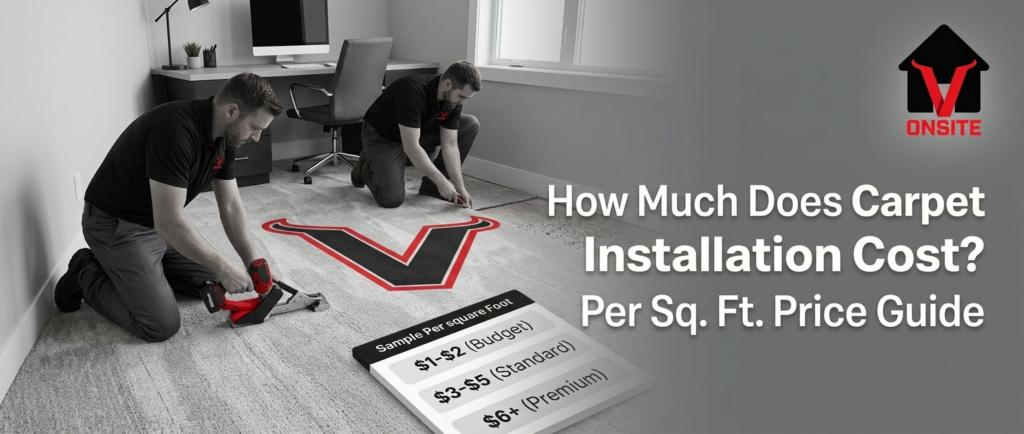
How Much Does Carpet Installation Cost? (Per Square Foot Breakdown)
Upgrading your home with a fresh carpet completely transforms its warmth, comfort, and interior style. However, setting up a successful budget for your property involves tracking more variables than just the raw sticker price on a roll of retail fabric. A high-quality floor replacement or a targeted room update relies on balancing your upfront material investments against local installation labor rates, baseline subfloor cleaning steps, and proper structural backing choices.
To help you calculate your home improvement path accurately without unexpected surprises, this comprehensive guide provides a complete carpet installation cost breakdown per square foot.
The Baseline: Average Cost of Carpet Installation Per Square Foot
On average, a complete professional residential carpet setup runs anywhere from $3.50 to $11.00 per square foot. Where your exact invoice lands depends heavily on your selected fabric type, the thickness of your underlayment, and the geometric layout of your rooms.
To give you an initial frame of reference, here is how a typical investment divides across a standard 12×15 foot bedroom layout (180 square feet):
- Budget Material Tier ($3.50 – $5.50 / sq. ft.): $630 – $990 (Basic olefin or light polyester paired with standard thin padding)
- Mid-Range Material Tier ($6.00 – $9.00 / sq. ft.): $1,080 – $1,620 (High-durability nylon or triexta paired with premium density padding)
- Luxury Material Tier ($9.50 – $15.00+ / sq. ft.): $1,710 – $2,700+ (Premium organic wool or complex patterned berber paired with heavy moisture-barrier pads)
Before ordering materials or coordinating shipments, confirming your exact room dimensions is crucial to preventing expensive ordering mistakes. Avoid overpaying for unnecessary waste by using the exact mathematical steps in Measurement: How to Measure a Room for Carpet (Free Calculator/Formula) to draw up your room shapes correctly.
1. Material Costs by Carpet Fiber Type
Your chosen fiber material acts as the largest driver of your overall project layout cost. Different fabric options offer different durability levels, texture depths, and manufacturing prices:
| Carpet Fiber Type | Average Material Cost (Per Sq. Ft.) | Best Structural Use Cases |
| Olefin (Polypropylene) | $1.00 – $3.00 | Low-traffic spaces, basement rooms, and light-use indoor/outdoor paths |
| Polyester | $1.50 – $4.00 | Guest bedrooms and low-impact areas; offers high stain resistance |
| Nylon | $2.50 – $6.00 | High-traffic family spaces, central stairs, and busy home hallways |
| Triexta | $3.00 – $7.00 | Homes with active indoor pets; highly resilient and stain-proof |
| Organic Wool | $5.00 – $12.00+ | Luxury rooms; eco-friendly, natural pile, and highly durable |
Beyond the price of raw textiles alone, organizing a successful room transformation requires pairing the right flooring types with your local climate and regional home styles. For a detailed look at structural strategies and material styling choices, read The Ultimate Guide to Carpet Installation.
2. The Foundation Layer: Underlayment & Padding Expenses
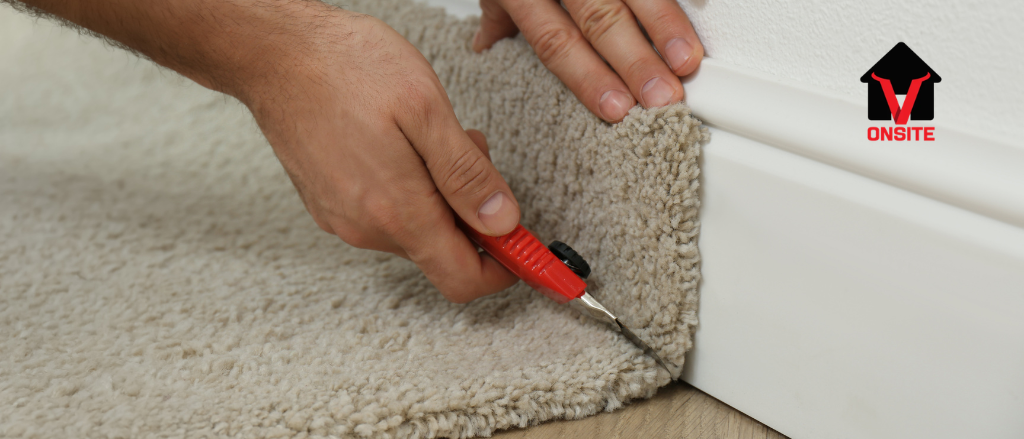
A frequent mistake property owners make is spending most of their budget on an expensive, high-pile carpet fiber while pairing it with cheap, thin padding underneath. The price to buy window blinds or clean hard floors might capture your attention during a multi-room update, but a professional carpet padding installation—costing between $0.60 and $1.50 per square foot—is what actually dictates how soft the floor feels underfoot and how long it lasts.
- Standard Rebonded Padding ($0.60 – $0.80 / sq. ft.): Best for low-impact rooms or temporary rental properties.
- High-Density Memory Foam or Rubber ($0.90 – $1.50 / sq. ft.): Essential for primary living spaces, absorbing heavy foot traffic cleanly so the carpet fibers above do not crush or fray prematurely.
Choosing the right foundation extends the life of your floors and prevents early wear. Learn how to pick the right weight and core density for your layout in Underlayment: Why Carpet Padding/Underlayment Matters (And how to choose the right density).
3. Labor Rates: Professional Fees Breakdown
Standard installation labor costs typically average between $1.00 and $2.50 per square foot. This baseline rate covers the physical layout preparation, precise seam alignment, and stretching of the carpet. However, specific architectural challenges or custom framing can adjust these service rates:
- Staircase Layouts: Tucking carpet along steps requires intricate wrapping and stapling; crews usually charge a flat rate of $10 to $20 per stair instead of measuring by square footage.
- Custom Angles: L-shaped walk-in closets, curved room walls, and custom transitions demand more technical cutting, which shifts the final labor quote upward.
When tracking estimated labor costs, many homeowners consider taking a DIY route to save on budgeting fields. Before purchasing unrolled materials, weigh the physical risks and tooling requirements in DIY vs. Professional: DIY Carpet Installation vs. Hiring a Professional: Is it worth the risk? to see if a self-installation is worth the gamble.
4. Hidden Preparation & Structural Cleanup Fees
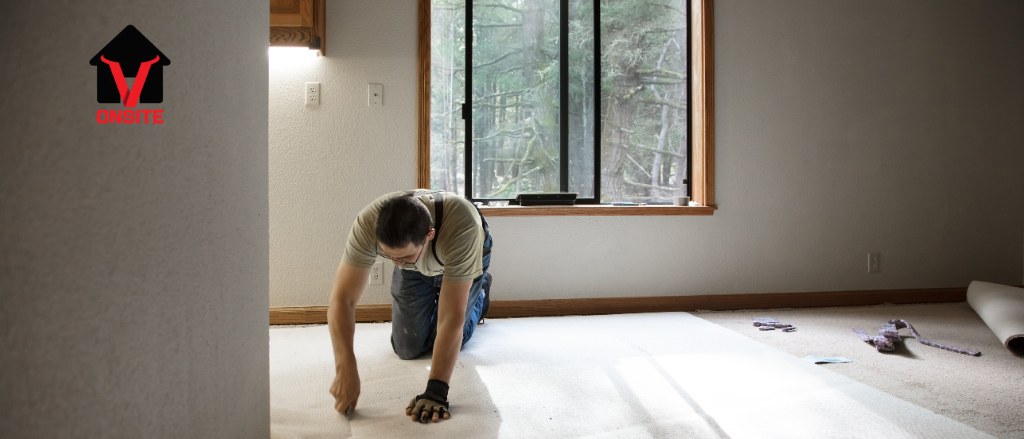
When an estimator inspects your rooms, they evaluate the physical state of your current foundation. Failing to budget for early preparation work is the most common cause of home improvement budget overruns. Keep an eye out for these operational costs:
- Old Carpet Removal & Disposal: Tearing up, rolling, and hauling away worn carpet layers and crumbling padding generally runs $0.50 to $1.00 per square foot.
- Subfloor Preparation: If your home’s concrete base is cracked or your plywood subfloor exhibits rot, leveling or replacing the underlying wood can add $1.50 to $3.00 per square foot in structural repairs.
- Moving Heavy Furniture: Many field crews charge a flat rate of $50 to $150 per room to move heavy wardrobes, heavy couches, and bed frames out of the workspace if the property isn’t fully cleared before arrival.
You can lower your overall invoice by tackling basic cleanup tasks ahead of time. Use our step-by-step checklist in Preparation: How to Prepare Your Home and Subfloor Before Carpet Installation to get your property perfectly prepared for installation day.
Regional California Project Planning & Service Access
Material and installation costs shift based on regional labor rates, structural home styles, and local shipping routes across California. Our mobile showroom trucks bring wholesale material samples and professional estimators directly to your driveway, helping you avoid standard retail showroom markups:
- San Diego County Services: If you are updating a property in the East County region, explore our localized Carpet Flooring & Window Treatments in Santee, CA page for community-specific guidance. For nearby valley homes, you can also coordinate service routes through our dedicated Flooring & Window Treatment Services in Lakeside, CA hub, ensuring direct access across the 92040 zip code sector.
- Central Valley Services: If you are managing property upgrades or residential updates in the Central Valley, visit our Flooring Installation & Window Treatments in Merced, CA page to schedule field crews across local zip codes (95340, 95341, 95344, and 95348).
Summary Checklist: Protecting Your Home Investment
To secure a flat, durable installation at the best value, follow these strict procurement guidelines:
- Skip the Storefront Markup: Choose mobile showroom options that eliminate the high overhead costs of brick-and-mortar retail stores.
- Verify Specialized Tooling: If you ever try a self-installation, remember that basic house tools will not produce a flat, long-lasting finish. Review the essential toolkit at Tools: Must-Have Tools for a Seamless Carpet Installation to ensure you have the proper gear.
- Get an Itemized Quote: Always ask for a written quote that clearly breaks down materials, labor, padding, and disposal fees separately so you know exactly where every dollar is going.